How to Start Investing with a Small Salary
Many people believe that investing is only for those with high incomes. In reality, even a small salary can be the starting point for a strong investment journey. What matters more than the amount you invest is consistency, discipline, and smart planning. Small investments made on a regular basis can turn into significant wealth with the right strategy. Start with a Clear Financial Base
It is essential to master the fundamentals before making an investment. Begin by tracking your monthly income and expenses. Find out where your money goes and where you can cut back on unnecessary spending. Even saving a small amount every month creates room for investments.
Next, build an emergency fund. This should ideally cover three to six months of essential expenses. You won’t have to take out loans or withdraw money from investments if you have this safety net. Set Realistic Financial Goals
Investing works best when you have clear goals. These goals can be short-term, such as building a travel fund, or long-term, like buying a house or planning for retirement. When your goals are defined, it becomes easier to choose the right investment options and stay committed, even during market ups and downs.
With a small salary, focus on achievable goals and increase your investment amount gradually as your income grows.
Start Small but Start Early
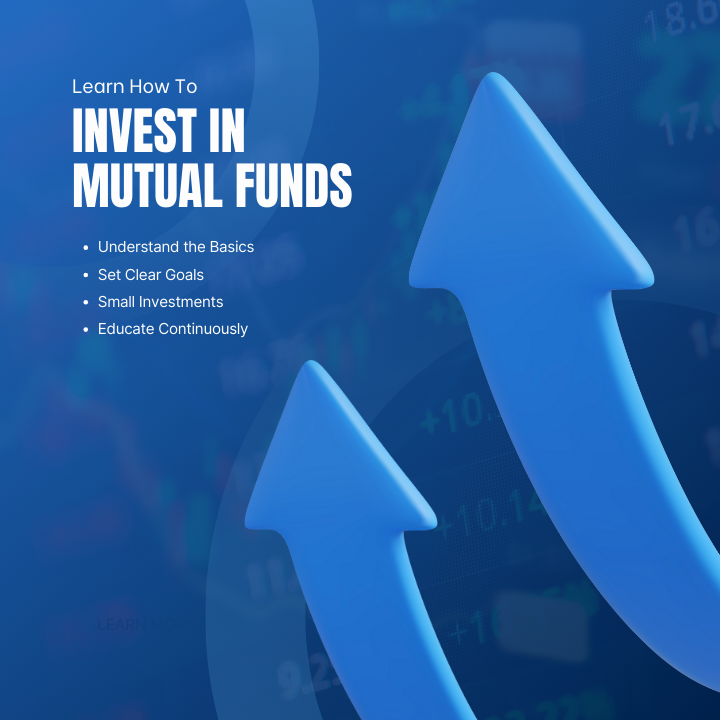
One of the biggest advantages you have is time. Starting early allows your money to benefit from compound growth. Today, many investment options let you start with a small amount. For example, mutual fund systematic investment plans (SIPs) can be started with a modest monthly contribution.
The key is to invest regularly. Even small monthly investments, when continued for several years, can grow significantly.
Choose Simple and Low-Cost Investment Options
When income is limited, avoid complicated or high-risk investments. Better choices are those that are easy and cheap. Mutual funds, especially index funds or diversified equity funds, are good choices for beginners. They offer professional management and diversification, reducing individual risk.
For those who prefer safer options, fixed deposits, public provident fund (PPF), or recurring deposits can be considered. A well-balanced portfolio of growth-oriented and safe investments aids in risk management and wealth creation. Avoid High-Risk Shortcuts
Many people with small salaries are tempted by promises of quick returns. High-risk investments or unverified schemes can lead to losses that are hard to recover from. Avoid making decisions based on market noise or social media trends.
Instead, focus on long-term investing. Slow and steady growth is more reliable than chasing quick profits.
Increase Investments with Income Growth
As your salary increases over time, gradually raise your investment amount. This could be through annual increments or additional income sources. Increasing investments along with income helps accelerate wealth creation without affecting your lifestyle significantly.
Review your investment plan once or twice a year to ensure it aligns with your financial goals.
Last Thoughts Starting to invest with a small salary is not only possible, but also smart. The habit of investing matters more than the size of your investment. By planning wisely, starting early, and staying consistent, you can build a secure financial future over time.
Remember, successful investing is a journey, not a race. What you start today can make a big difference tomorrow.
How to Start Investing with a Small Salary